
Welcome to the Colour Game Hub, a vibrant space dedicated to exploring the fascinating world of colors. Here, we delve into the Colour Game, where fun meets learning in an engaging environment. Our platform is designed to provide you with valuable insights and activities that enhance creativity and understanding of colors. Whether you’re an educator, parent, or simply a curious individual, you’ll find resources that not only entertain but also educate.
In this guide, we will explore various aspects of the Colour Game, including its significance in learning, creative activities that harness color exploration, and educational tools that make learning about colors both enjoyable and effective. Join us as we embark on this colorful journey!
Understanding the Colour Game
The Colour Game is not just a simple pastime; it is a rich educational tool that encourages creativity and cognitive development. This game allows participants to engage with colors in a meaningful way, enhancing their understanding of color theory while also promoting fun learning experiences.
What is the Colour Game?
The Colour Game encompasses a variety of activities that involve colors in different contexts. These activities can range from simple color matching games for young children to more complex artistic endeavors for older participants. The primary goal is to facilitate learning about colors while keeping the experience enjoyable.
The Importance of Color in Learning
Colors play a crucial role in our daily lives and learning processes. They can influence emotions, enhance memory retention, and stimulate creativity. Understanding colors can help individuals express themselves better and develop essential skills.
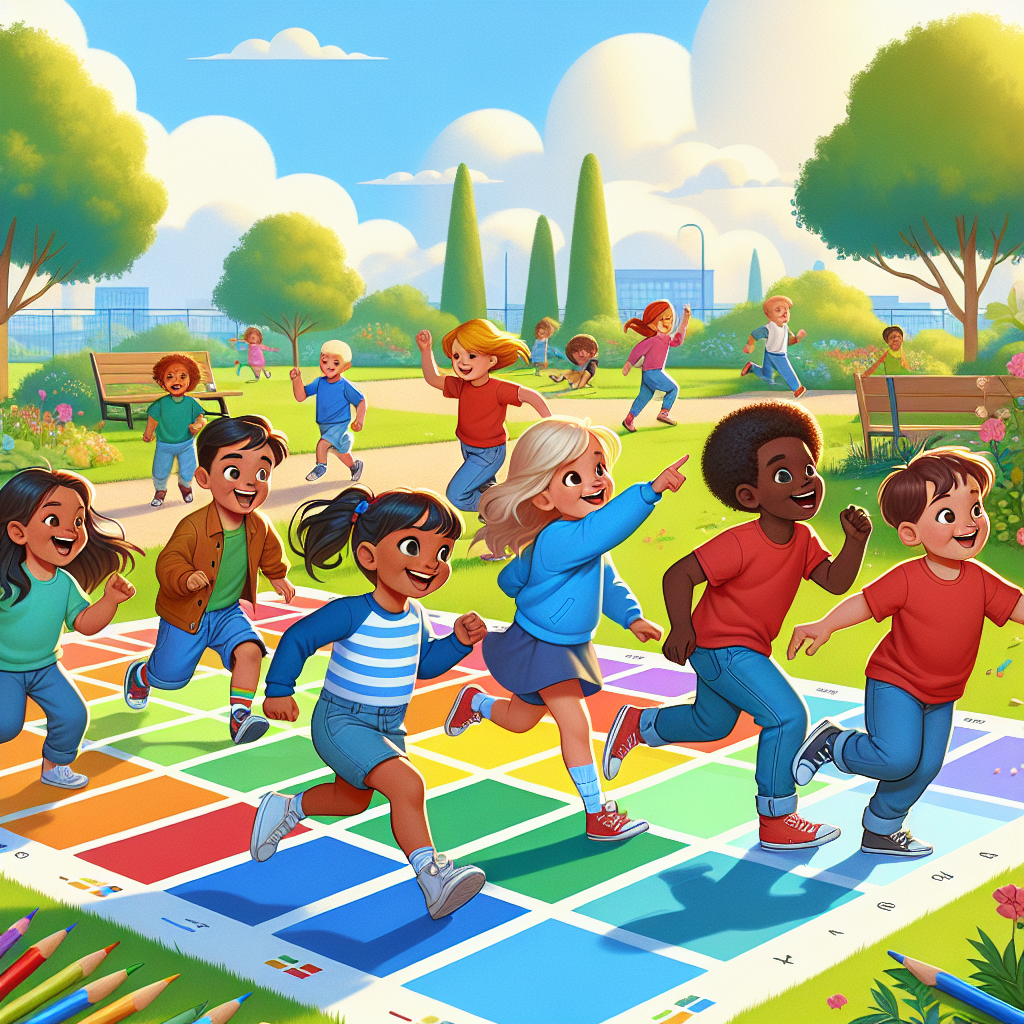
Creative Activities with Colors
Engaging with colors through creative activities is an excellent way to enhance learning. These activities not only make the process enjoyable but also help in reinforcing concepts related to colors.
Art Projects
Art projects are a fantastic way to explore colors. From painting to collage-making, these activities allow individuals to experiment with color combinations and learn about color relationships.
- Painting: Using different color palettes encourages creative expression.
- Collage: Combining various colored materials can teach about textures and color contrast.
Color Mixing Experiments
Understanding how colors mix is an essential part of color education. Simple experiments can demonstrate how primary colors combine to create secondary colors.
- Mix red and blue to create purple.
- Combine yellow and blue for green.
- Experiment with different ratios for unique shades.
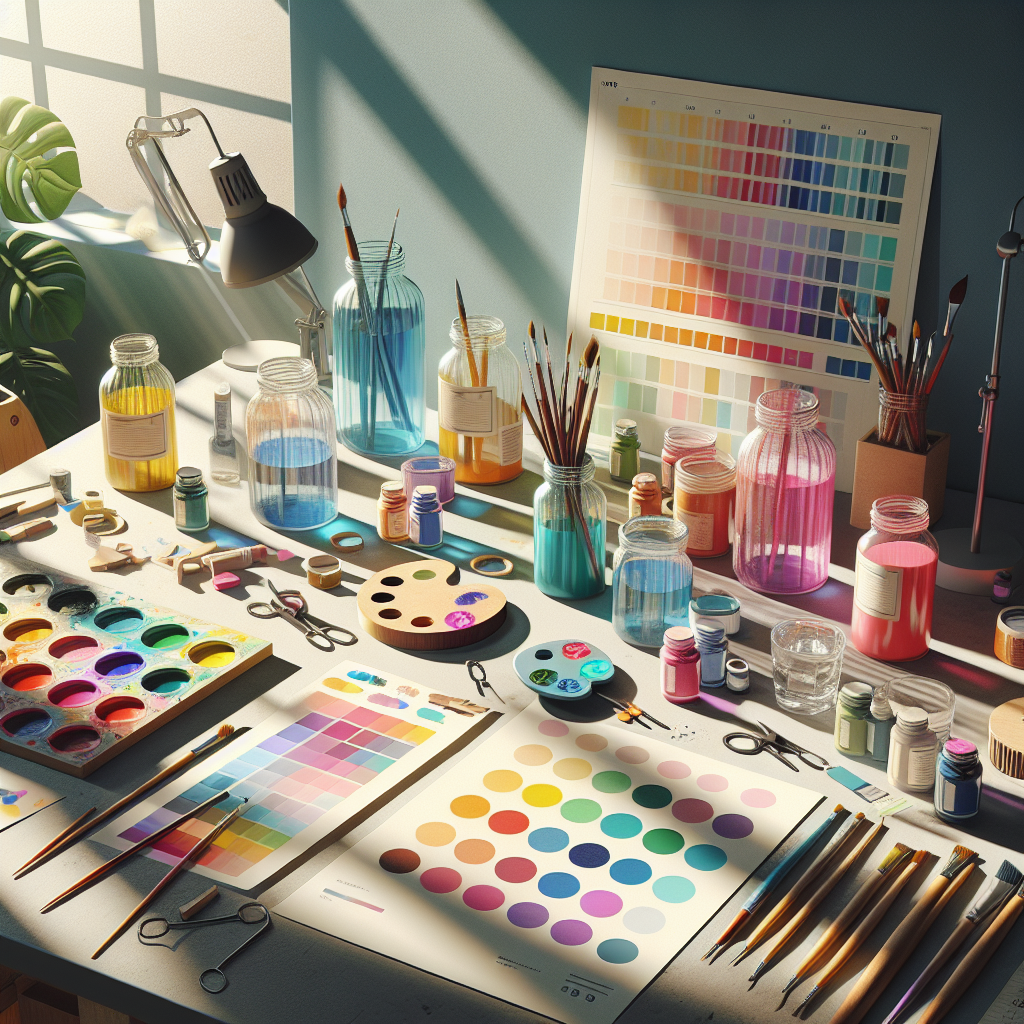
Learning Tools for Color Exploration
Incorporating effective learning tools can significantly enhance the experience of the Colour Game. These tools provide structured ways to explore colors and their meanings.
Interactive Apps and Games
With the advancement of technology, various interactive apps have emerged that focus on color learning. These apps often include games that challenge users to identify, match, and create colors.
Printed Resources
Books and worksheets can also be valuable learning tools. They provide structured information about colors, their significance, and engaging exercises to reinforce learning.
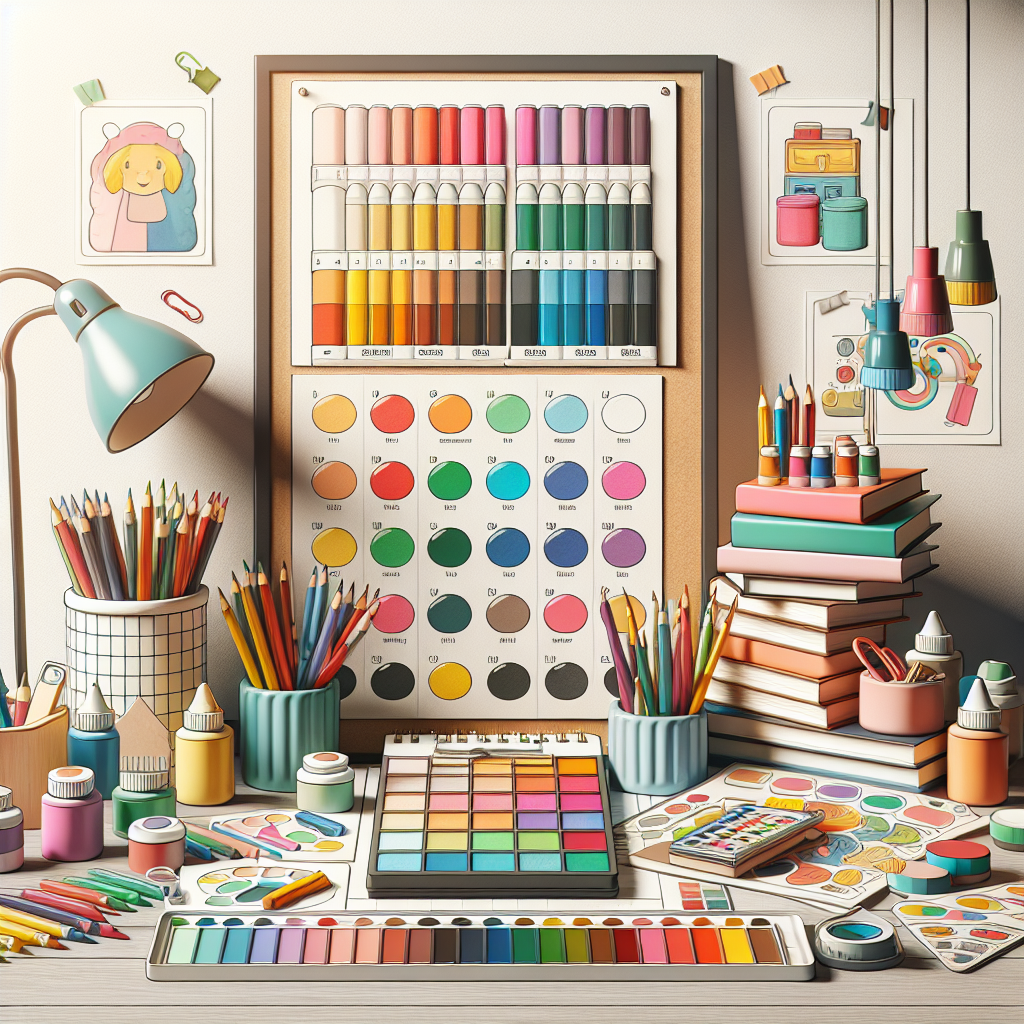
Fun Learning Through the Colour Game
The Colour Game promotes fun learning by making education enjoyable. This approach not only keeps learners engaged but also helps them retain information better.
Collaborative Learning
Playing the Colour Game in groups fosters collaboration. Participants can share ideas, work together on projects, and learn from one another, making the experience richer and more rewarding.
Incorporating Movement
Integrating physical activity into the Colour Game can enhance learning. Activities such as scavenger hunts where participants find colored objects can promote both physical fitness and color recognition.
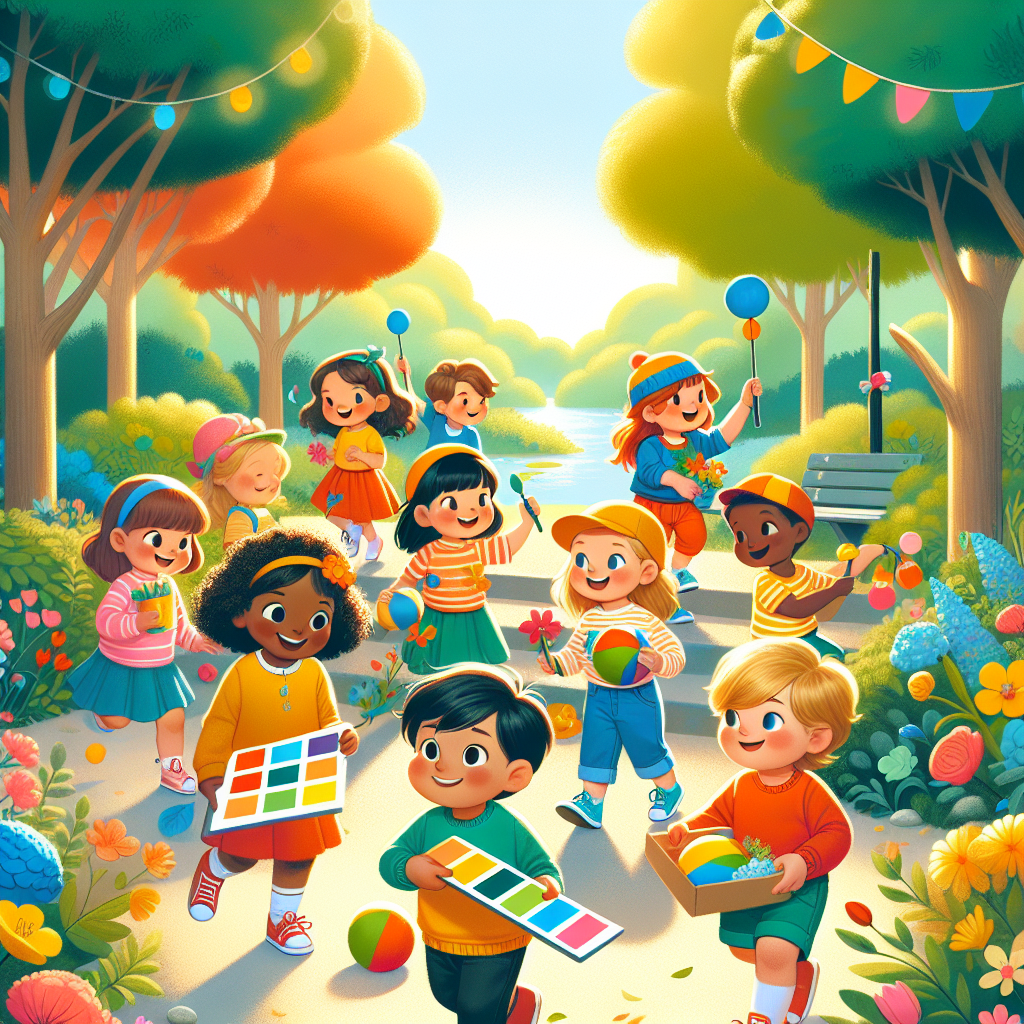
Color Insights: Understanding Color Psychology
Colors are not just visually appealing; they also have psychological effects that can influence emotions and behaviors. Understanding these insights can enhance the learning experience.
The Basics of Color Psychology
Color psychology studies how colors affect perceptions and behaviors. Each color can evoke specific feelings and responses, which can be leveraged in educational settings.
- Red: Often associated with excitement and energy.
- Blue: Known for its calming effects.
- Yellow: Associated with happiness and positivity.
Applying Color Psychology in Learning
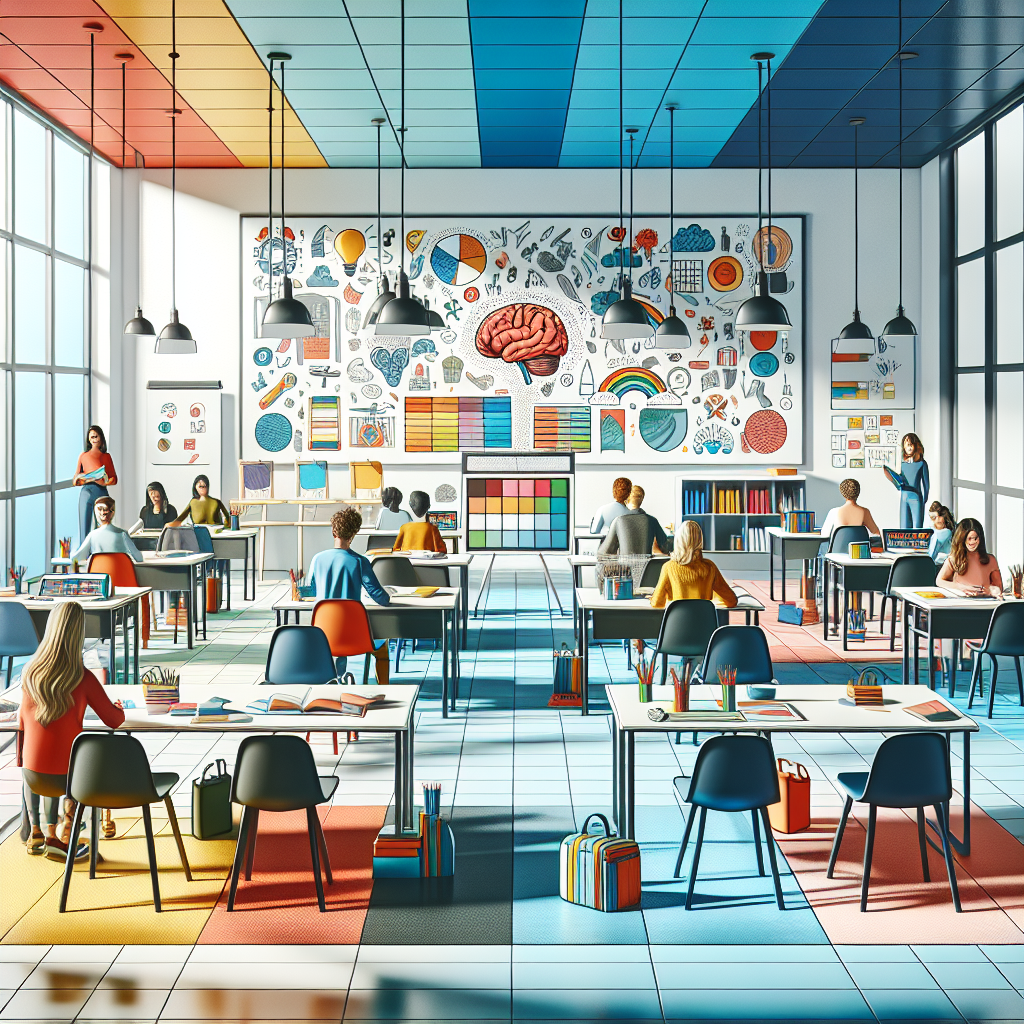
Educators can use color psychology to create effective learning environments. For instance, using calming colors in a study area can help students focus better.
Conclusion: Embrace the Colour Game for Learning
In conclusion, the Colour Game is an invaluable resource for enhancing creativity and learning. By exploring various creative activities, utilizing effective learning tools, and understanding color psychology, individuals can significantly enrich their knowledge and experience with colors.
We encourage you to dive into the resources available at the Colour Game Hub and start your colorful journey today. Whether you are looking to teach children about colors or enhance your own understanding, this platform offers a wealth of information and activities to ignite your passion for color exploration.
FAQ · Common questions
Quick answers players ask before login, registration, deposit or withdrawal.